The Internet of Things (IoT): How Data Networks Are Enabling a Connected World
The Internet of Things (IoT) has revolutionized the way we live, work, and interact with each other and our surroundings. At its core, IoT refers to the network of physical devices, vehicles, home appliances, and other items that are embedded with sensors, software, and connectivity, allowing them to collect and exchange data. This phenomenon has given rise to a connected world, where devices, systems, and people are interconnected, enabling a seamless flow of information and creating new opportunities for innovation, efficiency, and convenience.
History of IoT
The concept of IoT has been around for several decades, but it wasn’t until the early 2000s that the term “Internet of Things” was coined. The idea was first introduced by Kevin Ashton, a British technology pioneer, who described it as a network of physical objects that could communicate with each other and with the internet. Since then, IoT has evolved rapidly, driven by advancements in technology, such as the development of smaller, cheaper, and more powerful sensors, as well as the proliferation of wireless communication protocols like Wi-Fi, Bluetooth, and cellular networks.
Key Components of IoT
The IoT ecosystem consists of several key components, including:
- Devices: These are the physical objects that are connected to the internet, such as smart home appliances, wearables, vehicles, and industrial equipment.
- Sensors: These are the devices that collect data from the environment, such as temperature, humidity, motion, and pressure sensors.
- Communication Protocols: These are the standards that enable devices to communicate with each other and with the internet, such as Wi-Fi, Bluetooth, and Zigbee.
- Data Analytics: This refers to the process of analyzing the data collected from devices and sensors to gain insights, identify patterns, and make informed decisions.
- Cloud Computing: This is the infrastructure that enables the storage, processing, and analysis of large amounts of data from IoT devices.
Applications of IoT
IoT has a wide range of applications across various industries, including:
- Smart Homes: IoT enables the automation of home appliances, lighting, and security systems, making life more convenient and energy-efficient.
- Industrial Automation: IoT enables the monitoring and control of industrial equipment, optimizing production processes, and improving efficiency.
- Transportation: IoT enables the development of connected vehicles, smart traffic management, and logistics systems, improving safety, efficiency, and reducing congestion.
- Healthcare: IoT enables the development of wearable devices, remote patient monitoring, and telemedicine, improving healthcare outcomes and reducing costs.
- Agriculture: IoT enables the development of precision farming, livestock monitoring, and supply chain management, improving crop yields, reducing waste, and increasing efficiency.
Benefits of IoT
The benefits of IoT are numerous, including:
- Increased Efficiency: IoT enables the automation of processes, reducing manual labor and improving productivity.
- Improved Safety: IoT enables the monitoring of equipment, vehicles, and environments, reducing the risk of accidents and improving safety.
- Enhanced Customer Experience: IoT enables the development of personalized services, improving customer satisfaction and loyalty.
- New Business Models: IoT enables the development of new business models, such as subscription-based services and data-driven decision-making.
- Increased Innovation: IoT enables the development of new products, services, and applications, driving innovation and economic growth.
Challenges and Limitations
While IoT has the potential to transform industries and improve lives, it also poses several challenges and limitations, including:
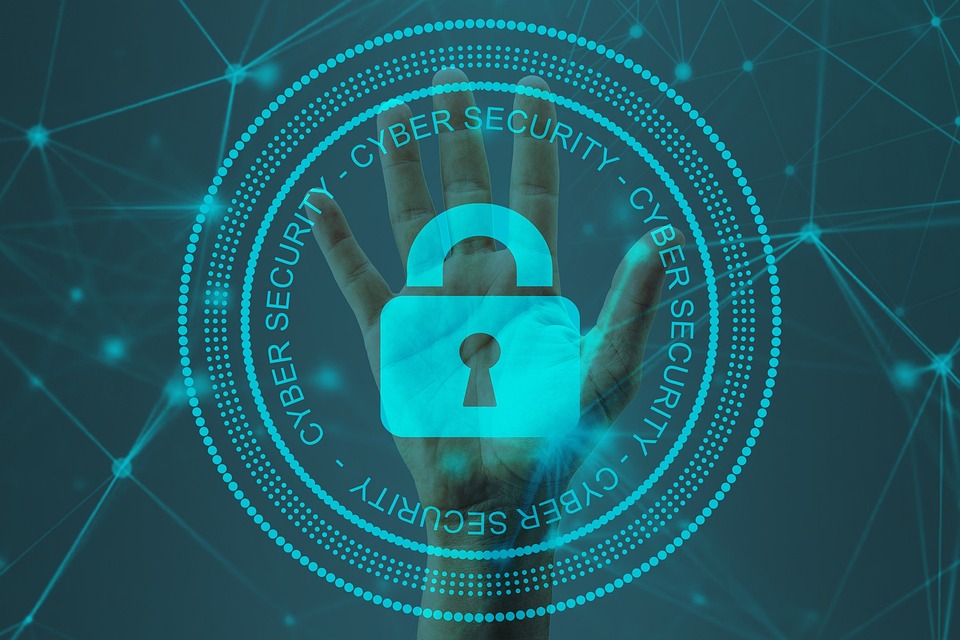
- Security: IoT devices and networks are vulnerable to cyber threats, compromising data security and privacy.
- Interoperability: IoT devices and systems often lack standardization, making it difficult for them to communicate with each other.
- Data Management: IoT generates vast amounts of data, requiring sophisticated data management systems to analyze and interpret.
- Regulation: IoT is subject to various regulations and standards, which can vary across industries and countries.
- Public Acceptance: IoT raises concerns about privacy, surveillance, and the impact on employment, requiring public education and awareness.
Conclusion
The Internet of Things (IoT) has the potential to transform the way we live, work, and interact with each other and our surroundings. As IoT continues to evolve, it is essential to address the challenges and limitations associated with it, ensuring that the benefits of IoT are equitably distributed and that the risks are mitigated. By doing so, we can create a connected world that is more efficient, sustainable, and equitable, and that improves the human experience.